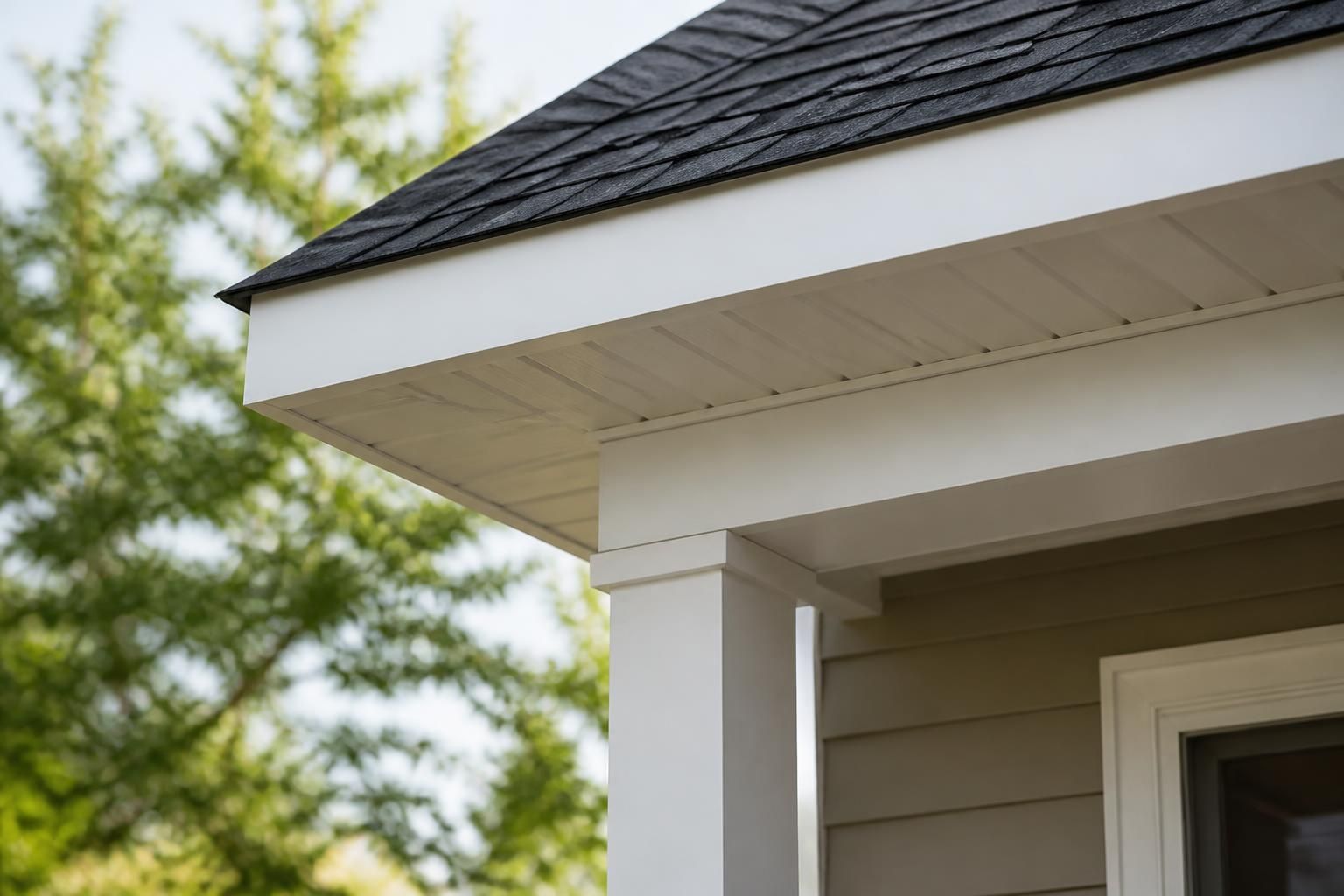
If you have wasps circling a roofline, shed, wall void, or garden area, the nest may be larger than it looks. More activity often means more agitation, and trying to deal with it yourself can turn a small problem into a painful one.
Pest Pros helps customers with wasp nest removal across Rathcoole, Co. Dublin, using a careful approach that focuses on reducing risk and restoring calm around the property. If you have seen a steady flight path, heard buzzing inside a wall, or noticed wasps gathering near one spot, the next step is to get the nest assessed before the activity grows.
Wasps do not always build where you can see them straight away. A nest can be hidden behind cladding, in an attic corner, under eaves, inside a shed, or in a cavity space. The clearest sign is repeated traffic to one exact point.
When these signs appear, it is better not to wait and see. Wasps tend to defend a nest more aggressively as it grows, especially when the colony feels disturbed.
Pest Pros starts by identifying where the nest is and how the wasps are entering or exiting the space. That matters because treatment needs to be directed at the nest, not just at the few insects you can see outside.
We then use a practical treatment approach suited to the location of the nest and the level of activity. The aim is to reduce the wasp problem at the source while keeping disruption to the property as low as possible.
We look at the nest location, access points, and surrounding activity so the treatment can be matched to the situation. A nest in a sheltered exterior space is handled differently from one hidden in a wall or attic area.
The treatment is applied to the nest area and entry points where appropriate. This helps deal with the colony rather than scattering the activity around the property.
After treatment, we explain what to watch for and when to call again if activity continues. That way you know whether the nest has settled down or if further attention is needed.
Wasps choose spots that are protected, quiet, and hard to disturb. In Rathcoole, Co. Dublin, that can mean both domestic and commercial buildings with plenty of sheltered spaces.
Because nests are often hidden, repeated sightings near one area matter more than seeing a single wasp. The location usually tells the story.
Trying to deal with a nest yourself can make the situation worse. Wasps respond quickly to vibration, sudden light, blocking entrances, or close contact. If the nest is inside a cavity, incomplete treatment can leave the colony active and harder to reach.
Before help arrives, keep people and pets away from the area and avoid spraying random products into gaps or holes. Do not seal a suspected entry point until the nest has been dealt with, as that can push activity into other parts of the property.
Knocking, poking, or washing a nest can provoke the colony. Even a nest that looks small may contain far more wasps than expected.
Closing an opening too soon can trap wasps inside walls, lofts, or voids, which often causes more trouble elsewhere.
Wasp nest removal is not only a household concern. Shops, offices, food premises, storage areas, and hospitality sites can all be affected when wasps gather near entrances, rubbish areas, or roof spaces. Pest Pros offers residential and commercial pest control support, so the treatment can be adapted to how the property is used.
For homeowners, the goal is to make the house, garden, or shed comfortable to use again. For businesses, it is about reducing disruption for staff and visitors while dealing with the nest carefully and with as little interruption as possible.
Each site is different, so the treatment approach depends on access, nest position, and how active the colony is at the time of inspection.
Wasps usually move quickly around a single entry point and may appear more slender with brighter markings. Bees behave differently and are often seen around flowers or distinct hive-like areas. If you are unsure, it is safer to get the activity checked before trying anything near the nest.
Yes. Wasps often build inside wall cavities, loft spaces, or other concealed areas. You may only notice them entering and exiting through a small gap, which is why the source is not always obvious from outside.
Wasp activity can increase as a nest grows and more insects leave to forage. You may notice more around bins, roof edges, windows, or food areas when the colony becomes established.
Not before treatment. Blocking the opening can trap wasps inside and encourage them to seek another way out. It is better to leave the access visible so the nest can be treated at the source.
Keep clear of the affected area, move children and pets away, and avoid using ladders or trying to inspect the nest yourself. If possible, note where the wasps are entering so the visit can start with the right location.
They can return to the area if another nest forms later, especially if the site offers good shelter. That is why it helps to stay alert to new flight paths, buzzing, or renewed activity around the same point.
If wasps are making parts of your property difficult to use, Pest Pros can help with careful wasp nest removal in Rathcoole, Co. Dublin. We work from Greenogue Business Park and support local homes and businesses with practical pest control solutions.
Call +35312709339 or email info@pest-pros.ie to arrange a visit. Our hours are Monday to Friday, 09:00 to 17:00.

Get Help Today
Tell us what you are seeing and where the problem is happening. We will help you choose a practical treatment plan for your property or business.